
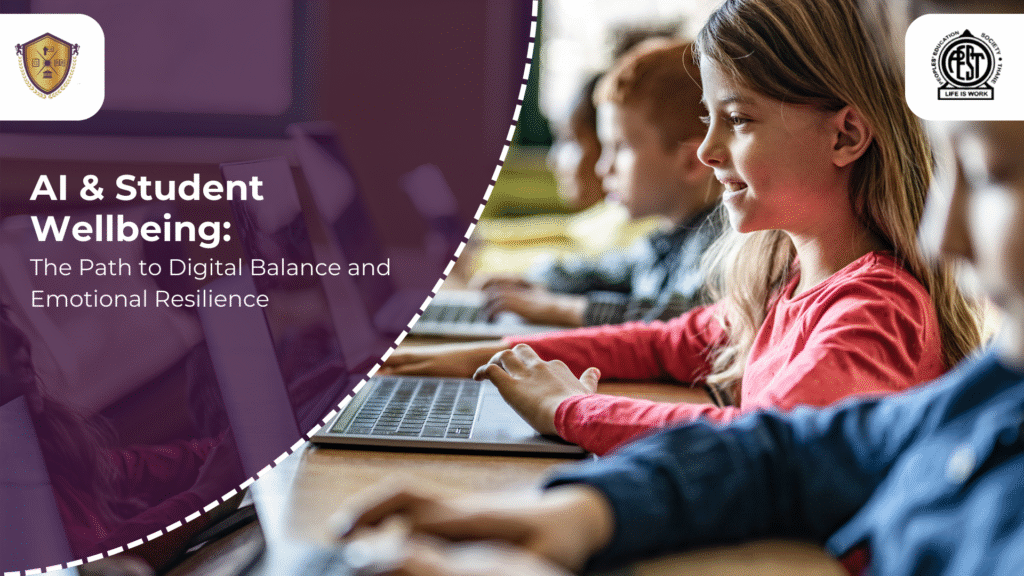
What if the very tools designed to boost student achievement are also quietly taxing their emotional stamina? The reality of artificial intelligence in education is twofold: it promises personalized support but also delivers a constant stream of algorithmic interactions. This duality forces a vital shift in our thinking. The goal for every parent and educator must evolve from simply managing screen time to strategically balancing digital tools with the deliberate cultivation of focus, self-awareness and emotional resilience.
The Double-Edged Sword of Digital Assistance
There is no denying the benefits that thoughtful artificial intelligence in education can bring. It can personalize learning, offer immediate feedback and help teachers identify students who may be struggling. This kind of support can help students relax about making mistakes, building confidence in a pressure free space to practice.
Yet, this constant digital assistance comes with subtle costs. The very ease of an AI providing answers can shorten the valuable struggle needed for deep understanding. Students risk gaining the appearance of learning without its cognitive benefits. Furthermore, the line between learning, communication and entertainment is increasingly blurred, leading to digital fatigue. This non-stop engagement can chip away at attention spans, increase stress and reduce time for the offline, unstructured play and face to face conversations that are fundamental for healthy social and emotional development.
The Subtle Ways AI Can Rewire Learning and Emotional Growth
The challenges often arise not from the technology itself, but from its patterns of use. Common pitfalls include:
The Dependency Trap: Over reliance on AI for quick answers can diminish critical thinking and problem solving stamina.
The Social Gap: As more interaction is mediated through screens, opportunities to develop essential interpersonal skills and empathy may shrink.
The Performance Pressure: The ease of getting a “perfect” answer from AI can make the slower, less certain path of personal discovery feel like a failure. Students may feel pressured to use the tool to meet perceived expectations for productivity and correctness, overriding their natural curiosity.
Emotional Bypassing: Students are already turning to AI chatbots for mental health advice. While accessible, this can become a substitute for processing complex feelings with trusted humans or developing internal coping skills.
Practical Strategies for a Healthy Digital Diet
The goal is mindful integration, not rejection. We can teach children to use AI as a tool they control, not a crutch they depend on. Key strategies involve creating intentional boundaries:
Designate AI Usage Windows: Treat powerful AI tools like focused learning instruments. Schedule specific times for their use, separating them from leisure or creative brainstorming time.
Protect Offline Reflection: Champion activities like journaling, free drawing or discussion that require internal processing without digital input. This builds self awareness and emotional clarity.
Prioritize Unplugged Collaboration: Foster group projects and problem solving activities that happen around a table, not a shared screen. This builds teamwork and communication muscles.
Model Guided Tech Breaks: Build family or classroom rituals that involve stepping away from all devices; a walk outside is proven to reduce stress.
Initiate Emotional Check ins: Make space for simple, human conversations. A teacher asking, “How did you feel tackling that problem?” or a parent asking, “What was frustrating today?” reinforces that student mental health is valued above mere efficiency.
How Schools Can Architect Supportive Environments
From an educator’s perspective, the school’s role is to structure technology use with wellbeing in mind. This means moving beyond simply providing access to actively shaping a balanced culture. At Indo Scots Global School, our approach as one of the leading CBSE affiliated schools is to embed this thoughtful integration into our very framework. We are committed to this by:
Embedding Social Emotional Learning (SEL): Our curriculum intentionally weaves lessons on empathy, self regulation and digital citizenship, ensuring that technological advancement is always complemented by emotional and ethical skill building.
Providing Human Guided AI Resources: In all our support systems, we ensure there is always a “human in the loop.” Whether a student is using a learning platform or needs guidance, a trained educator is present to monitor, mentor and step in with compassion.
Creating Clear, Educative Policies: We develop guidelines and classroom conversations that teach critical thinking about AI outputs, source evaluation and intellectual honesty, preparing students to be discerning digital citizens.
This holistic approach, which values the benefits of extracurricular activities and creative collaboration as much as academic tech, is essential for nurturing true emotional resilience in students. It equips them to navigate both academic challenges and the complexities of the digital world with confidence and character.
The Home Front: Partnering for Balance
Parents are essential partners in this balance. Your approach at home sets a powerful tone.
Lead with Curiosity, Not Control: Have open conversations about the AI tools your child uses. Ask, “What did you use it for? What did you learn on your own?”
Set Boundaries Without Fear: It is okay to create device free zones or times. Explain that these boundaries protect family time, sleep and creativity.
Value Process Over Product: Praise effort, perseverance and creative thinking more than the final, polished result an AI might help produce.
Model Mindful Habits: Let your children see you read a physical book or engage in a hobby without a screen. Your behavior is their most powerful lesson.
The Long Term Reward: Confident, Capable Humans
When we get this balance right, the outcomes extend far beyond report cards. We help cultivate young adults who are not just tech savvy, but self aware. They possess the focus to engage deeply, the creativity to think independently and the emotional intelligence to connect meaningfully with others. Their confidence comes from knowing they can leverage technology without being defined by it.
Frequently Asked Questions
Q1. What is AI’s impact on student wellbeing?
A1: AI can support learning but requires balance to avoid stress and emotional overload.
Q2. Can AI tools increase student anxiety?
A2: Yes, excessive reliance can raise pressure and reduce emotional self regulation.
Q3. How can schools use AI responsibly?
A3: By pairing smart tools with emotional learning and offline engagement.
Q4. Should parents limit AI tools at home?
A4: Guided usage is more effective than strict restriction.
Q5. Is emotional resilience still teachable in digital classrooms?
A5: Absolutely. It becomes even more essential in tech enabled learning environments.