
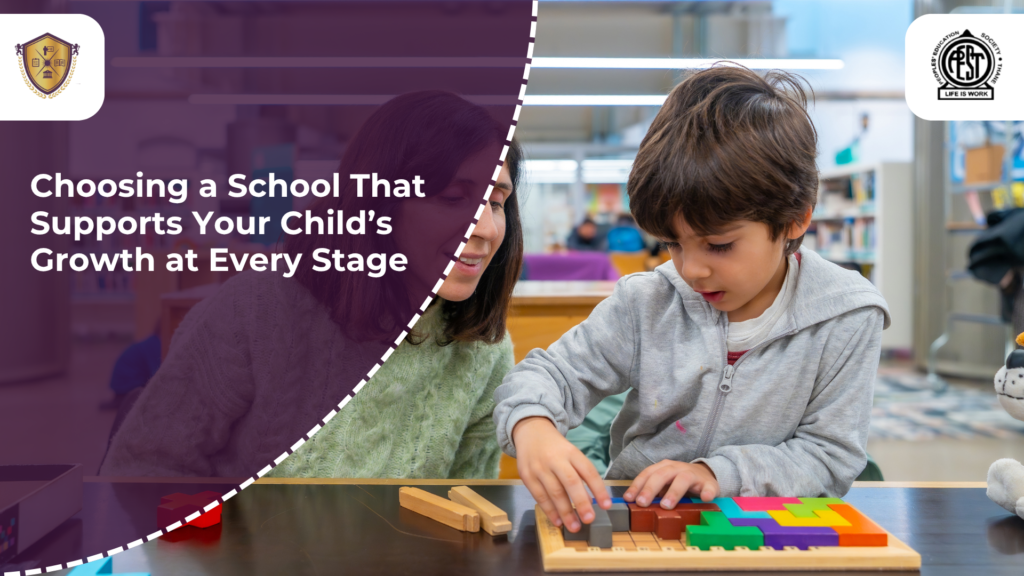
Choosing a school is one of the biggest decisions parents make for their children. It is not just about choosing a place where they will study. It is about finding a learning environment that understands their changing needs and supports them as they grow.
Children learn differently at different ages. What works for a preschooler may not work for a secondary school student. Their interests change, their abilities develop and they gradually become more independent.
This is why choosing a school that supports every stage of a child’s educational journey can make a meaningful difference.
Learning That Grows With Your Child
A child’s education is a gradual process. Each stage builds the foundation for the next one.
At Indo Scots Global School, our learning approach is designed around students’ different needs as they move from preschool to primary, secondary and higher grades.
The focus is not only on completing the syllabus. It is about helping children understand concepts, explore their interests and develop skills that they can use as they move forward.
Preschool: Building the First Foundations Through Play
The early years are when children begin discovering how the world around them works. At this stage, learning should feel natural, engaging and enjoyable.
Preschool students learn through play-based activities that introduce them to basic concepts in an age-appropriate way. Stories, activities, interactions and hands-on experiences allow children to explore while developing early communication, thinking and social skills.
Instead of simply memorising information, children get opportunities to learn through experiences. These early experiences can help them become more comfortable with learning and prepare them for their next stage of education.
Primary School: Learning Through Activities and Exploration
As children move into primary school, their learning becomes more structured. However, that does not mean education has to become limited to textbooks and classroom lessons.
Extracurricular activities are an important part of the primary years. These activities give students opportunities to explore concepts in different ways and understand what they learn through practical experiences.
Whether it is an activity connected to a subject, a creative exercise or participation in sports and other interests, children get opportunities to discover what they enjoy while developing important skills along the way.
This stage is also about encouraging curiosity. When children are given the freedom to explore, learning can become something they actively participate in rather than simply receive.
Secondary School: Turning Learning Into Practical Skills
The secondary years bring new academic challenges and new opportunities for students to understand their own abilities.
At Our School, project-based activities help students take their learning beyond traditional classroom lessons. Instead of only learning concepts, students get opportunities to work with them, explore ideas and understand how knowledge can be applied.
Projects can also encourage students to think critically, solve problems, work with others and communicate their ideas.
These experiences can help students gradually develop skills that are useful for their future education and careers. More importantly, they give students opportunities to understand their strengths and areas where they can continue to improve.
Higher Grades: Choosing, Practising and Refining
As students enter the higher grades, they begin to take greater ownership of their educational journey.
At this stage, students get the opportunity to choose subjects based on their interests and future aspirations. This allows them to focus more deeply on areas they want to explore.
Learning at this stage is not only about gaining subject knowledge. It is also about practising, developing and refining skills that students can carry into higher education and their future careers.
The journey from guided learning to greater independence is an important part of growing up. A school can support this transition by giving students the right balance of guidance and responsibility.
Every Stage Has a Purpose
From play-based learning in preschool to subject choices in higher grades, every stage of education serves a different purpose.
The early years help children build basic understanding. Primary education encourages exploration. Secondary education gives students opportunities to apply their learning and develop practical skills. Higher grades allow students to make more informed choices and refine their abilities.
When these stages are connected, children can experience a smoother transition as they grow.
More Than Academic Growth
A child’s development cannot be measured only through marks and examination results.
Confidence, communication, creativity, collaboration, problem-solving and the ability to adapt are also important parts of growing up. A school that provides opportunities for students to participate, experiment, make mistakes and try again can help them develop these qualities naturally.
At every stage, children need different kinds of support. They may need encouragement when they are trying something new. They may need guidance when making important choices. They may also need opportunities to work independently and discover what they are capable of.
Choosing a School for the Complete Journey
When parents choose a school, it is worth looking beyond what a child will learn in the next academic year. Think about how the school can support them as they move through every stage of their education.
Ask yourself:
Does the school have a learning approach suited to different age groups?
Are younger children given opportunities to learn through play and activities?
Can primary students explore their subjects through extracurricular experiences?
Do secondary students get opportunities for project-based learning?
Can students in higher grades choose subjects based on their interests?
Does the school help students develop skills beyond academics?
Does the learning environment encourage children to become more independent?
These questions can help parents understand whether a school is prepared to support their child’s journey over the long term.
Growing With Every Stage at Indo Scots Global School
Education is viewed as a journey that develops with the child. From play-based learning in preschool to activity-based experiences in primary school, project-based learning in secondary school and subject choices in higher grades, students are given opportunities that match their stage of development.
The goal is to help children understand what they learn, discover what they enjoy and gradually develop the confidence and skills to take the next step.
Because choosing a school is not only about where your child will study today. It is about finding a learning environment that can support who they are becoming tomorrow.